Naturally Processed Malawian Coffee

from £32.95

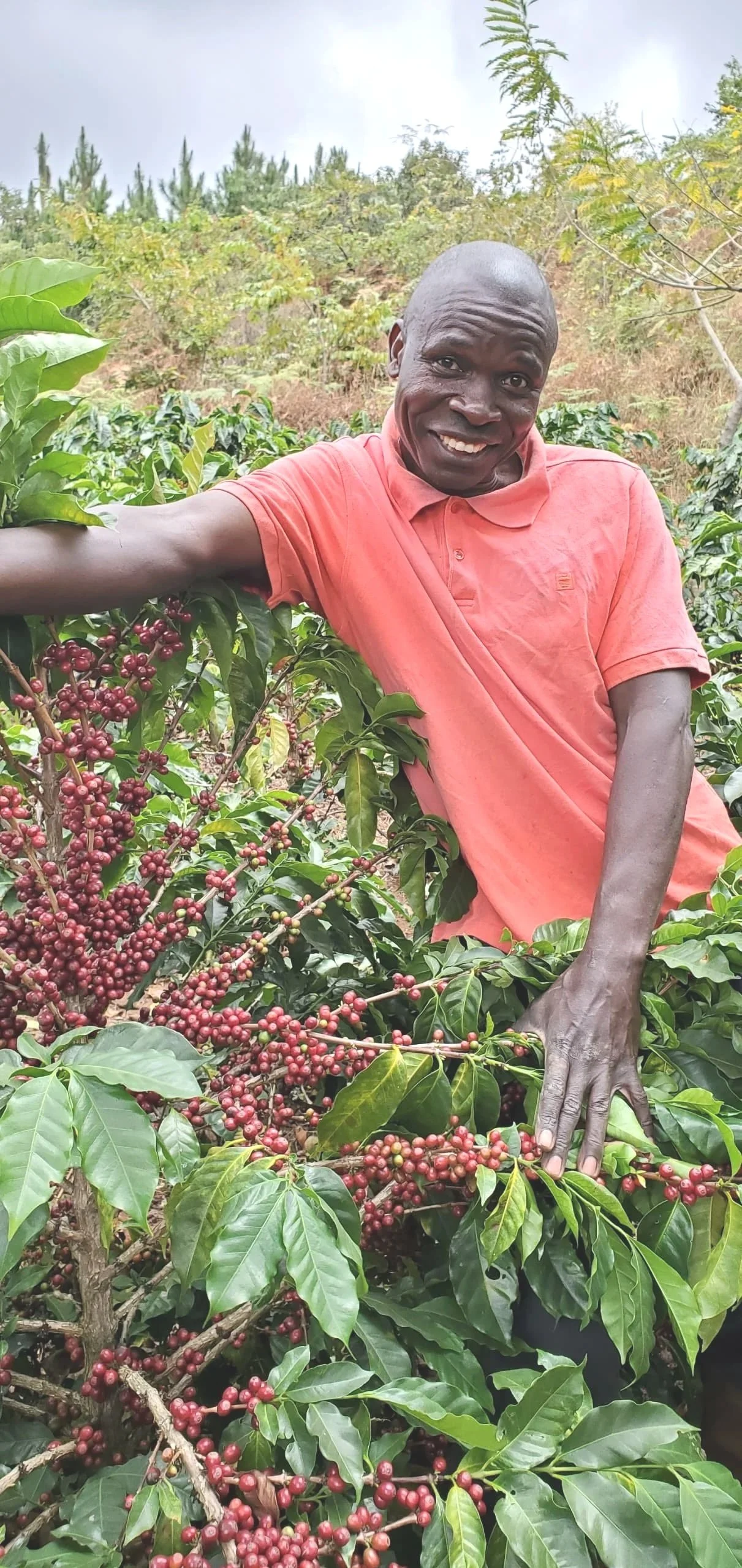
Meet Noel Nyirenda.

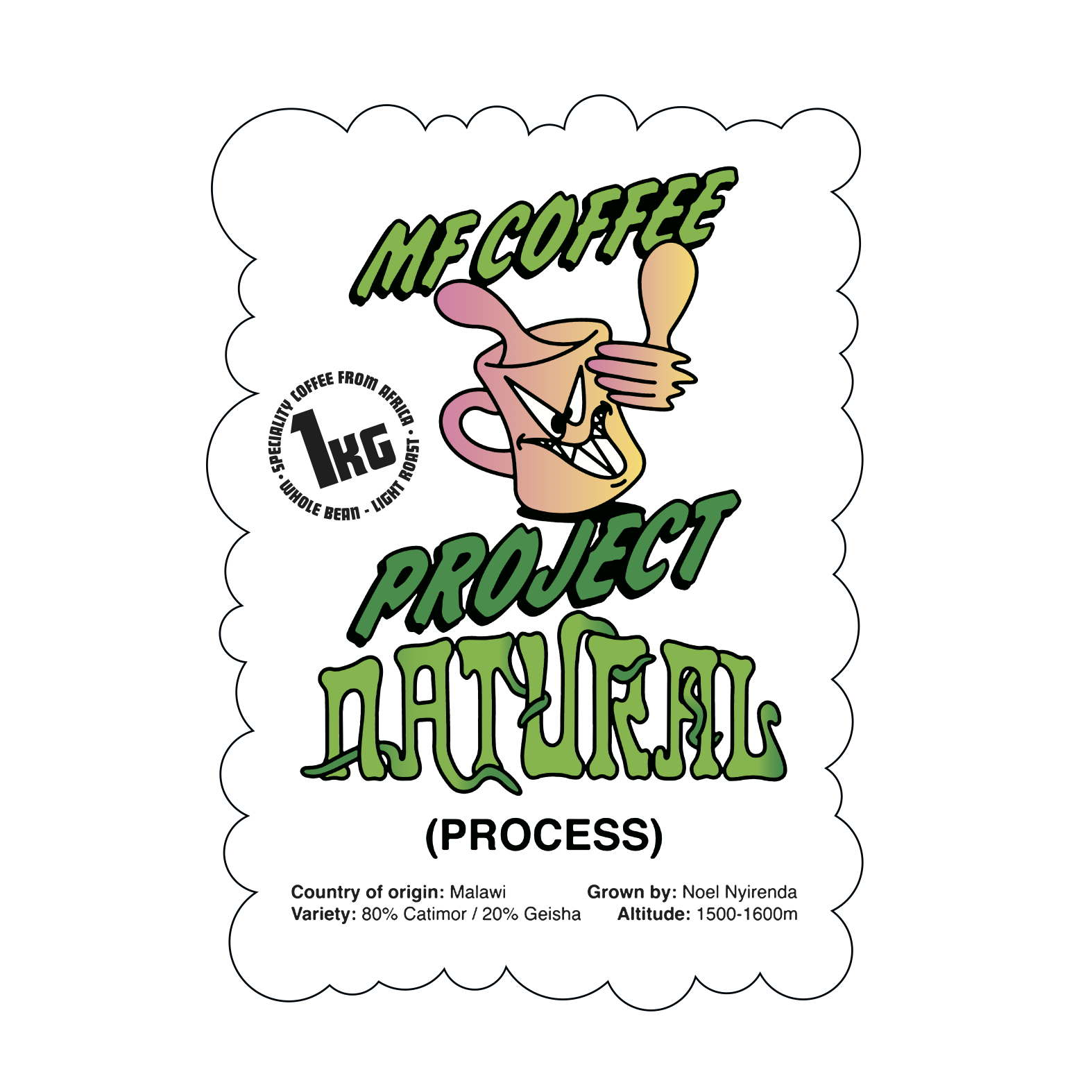
For over two decades he's been farming in Junju, northern Malawi, on a small farm he looks after with his family. At 1,500–1,600 metres, Noel grows Gesha, SL28 and Catimor 129. This particular coffee is a blend of 80% Catimor and 20% Gesha.

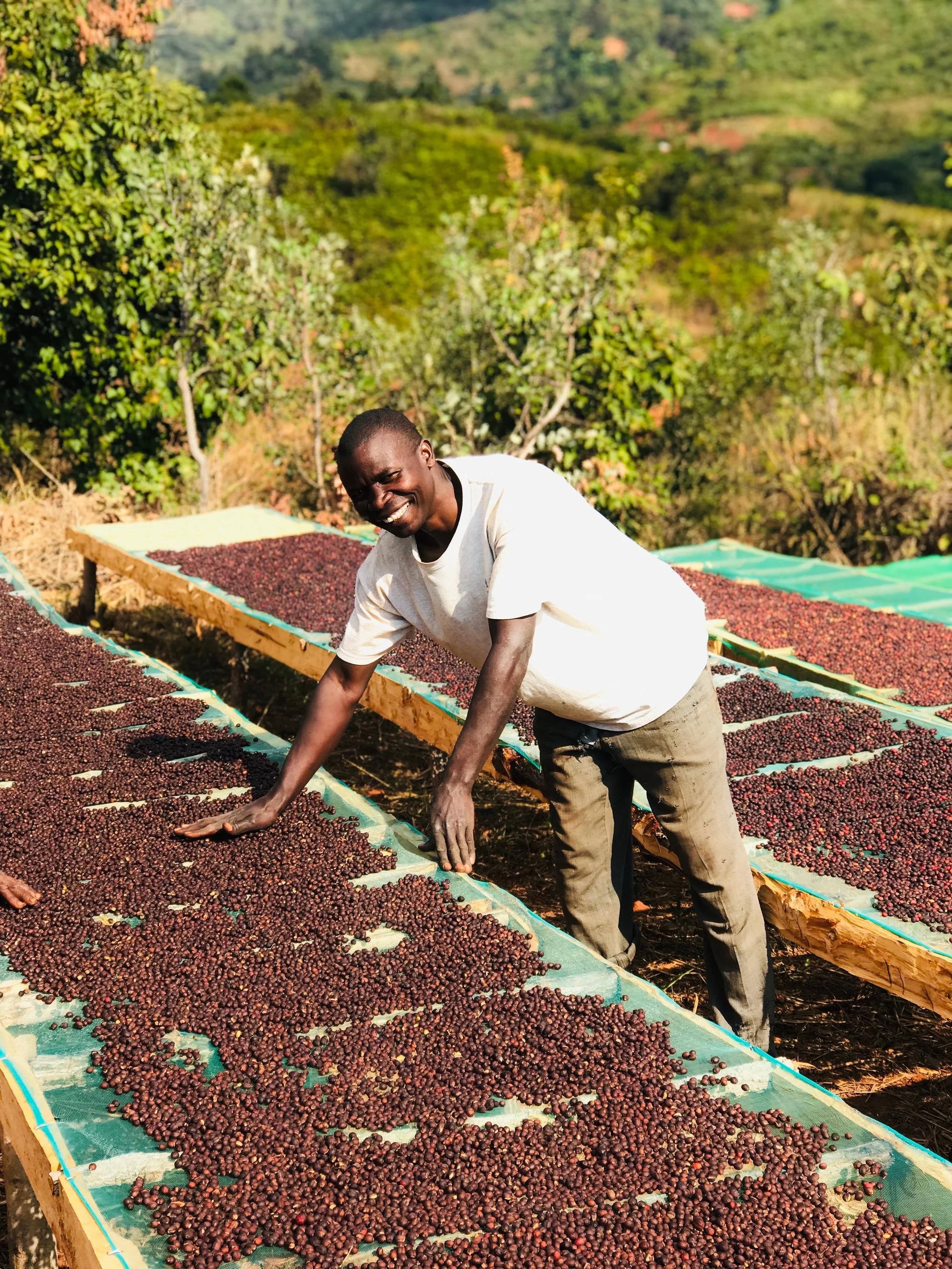
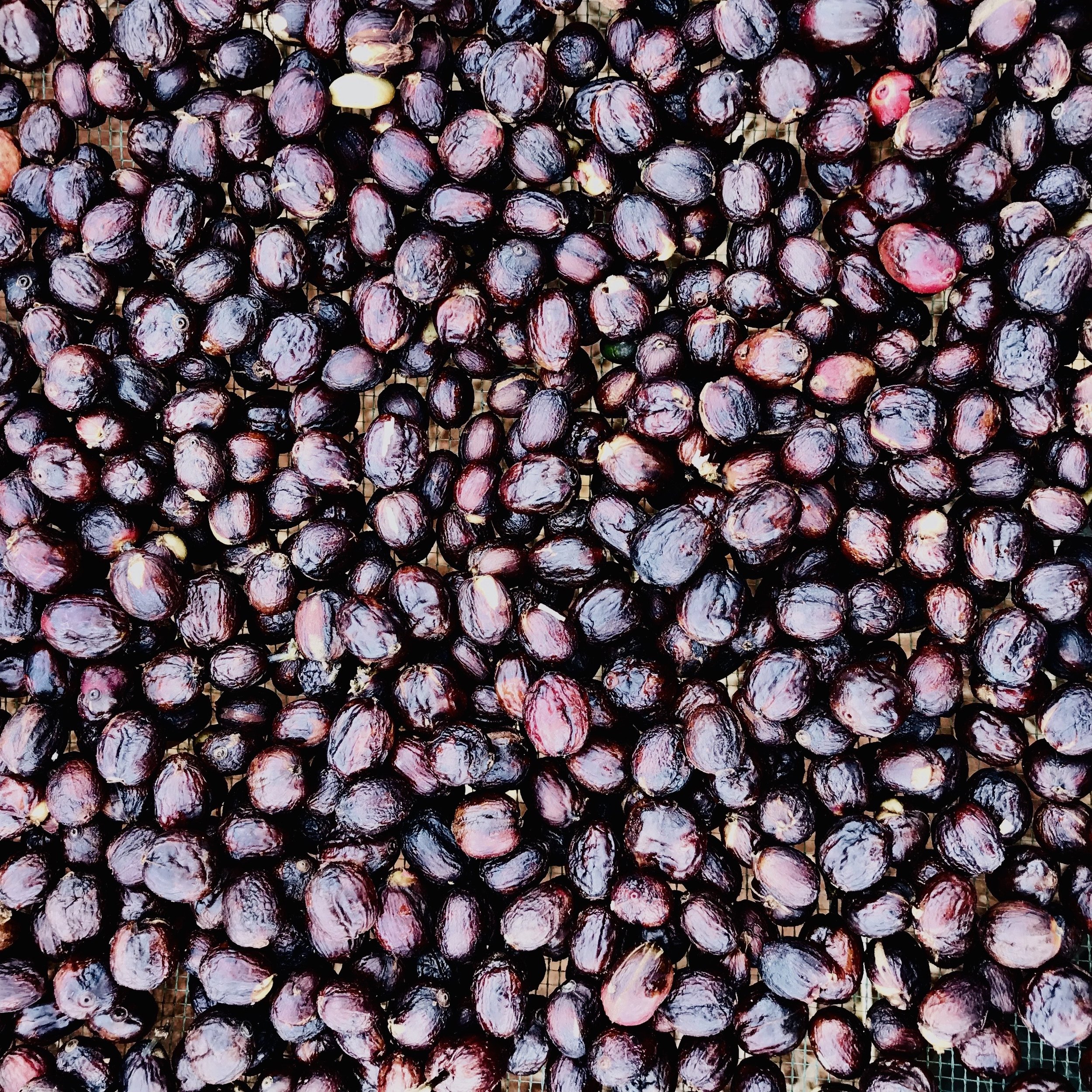
This is a natural process coffee. After harvest, the whole cherries are laid out on raised drying beds, and the beans dry inside the fruit. As they dry together, the sweetness of the cherry seeps into the bean, giving the cup a funky, fruity character.

From Junju, the coffee travelled north to Kenya, where it was lightly roasted at African Coffee Roasters, just outside Nairobi, then nitrogen flushed and sealed so it stays at its peak for up to six months.

Whole bean only.

Size:

Meet Noel Nyirenda.

For over two decades he's been farming in Junju, northern Malawi, on a small farm he looks after with his family. At 1,500–1,600 metres, Noel grows Gesha, SL28 and Catimor 129. This particular coffee is a blend of 80% Catimor and 20% Gesha.

This is a natural process coffee. After harvest, the whole cherries are laid out on raised drying beds, and the beans dry inside the fruit. As they dry together, the sweetness of the cherry seeps into the bean, giving the cup a funky, fruity character.

From Junju, the coffee travelled north to Kenya, where it was lightly roasted at African Coffee Roasters, just outside Nairobi, then nitrogen flushed and sealed so it stays at its peak for up to six months.

Whole bean only.

Natural Process — Noel’s Farm, Junju, Northern Malawi

Noel is a founding member of MF Coffee Project and has been farming with us since 2015. Every bag of our natural process coffee comes from right here.

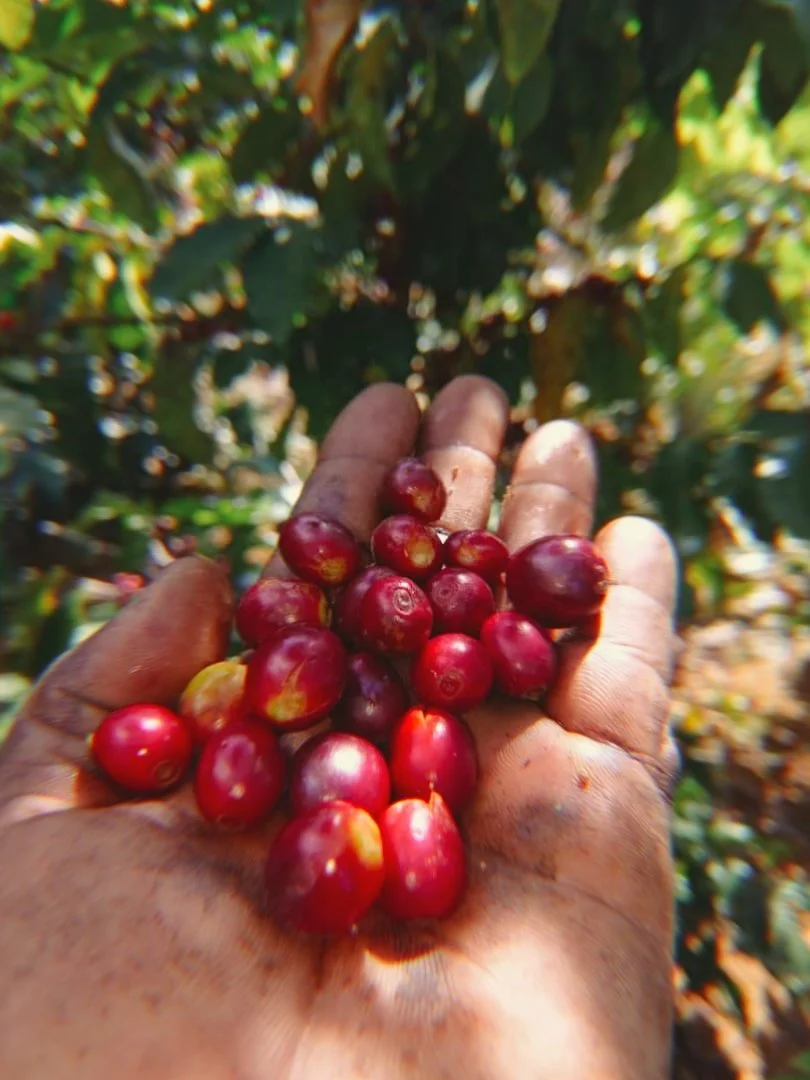
Step 1 — Coffee cherries are picked by hand and sorted for ripeness.
Step 2 — The whole fruit is laid directly onto raised drying beds, nothing removed.
Step 3 — After 15 days of slow drying, the fruit has fully dried onto the bean — locking in that deep, natural sweetness.
Step 4 — Noel removes the dried fruit by hand, pounding the beans in a traditional mortar and pestle to reveal the green coffee inside.

For the coffee you’ll brew, we mill at a nearby facility rather than by hand — but this is the old fashioned way of milling.